
Over greater than three a long time, Catherine Opie, who was born in 1961 in Sandusky, Ohio, and lives in the present day in Los Angeles, has created photographic portraits, cityscapes and landscapes which have borne witness to social and political situations and tensions—notably in her native United States—whereas additionally reflecting a deeply private response to individuals and neighborhood.
Catherine Opie’s Chloe (1993) © Catherine Opie, courtesy Regen Initiatives, Los Angeles; Lehmann Maupin, New York, Hong Kong, London, and Seoul; Thomas Dane Gallery
Elementary to her work is an exploration, as a queer girl and as a documentarian photographer, of the nuanced, multifarious nature of identification, most prominently in LGBTQ+ communities, but in addition far past them. She has dedicated from her earliest mature photos to the concept, as she has phrased it, “With out illustration, there isn’t a visibility”—a perception that is still extra very important than ever within the US and internationally within the 2020s.
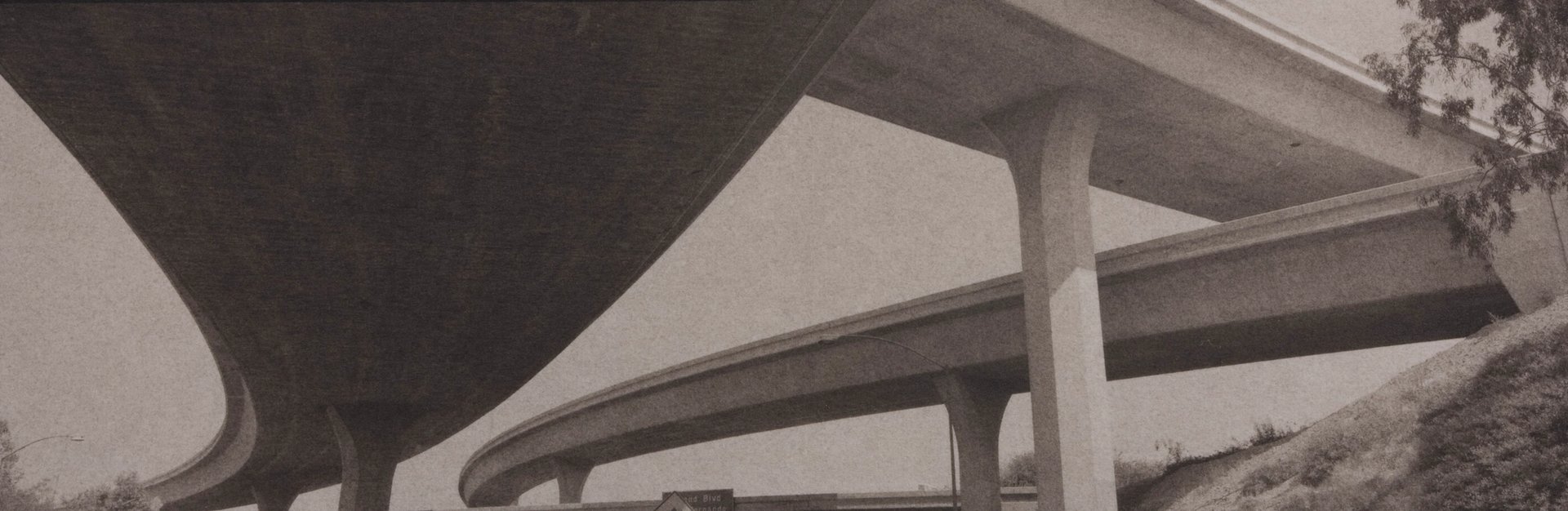
Catherine Opie’s Untitled, from Freeway collection (1994) © Catherine Opie. Courtesy Lehmann Maupin, New York, Seoul, and London
And that visibility is manifest not simply within the portraiture for which Opie is finest identified, but in addition within the central place that structure and interiors play in her work. She repeatedly calls our consideration to the juxtaposition of the constructed setting and the development of our bodies and identities.
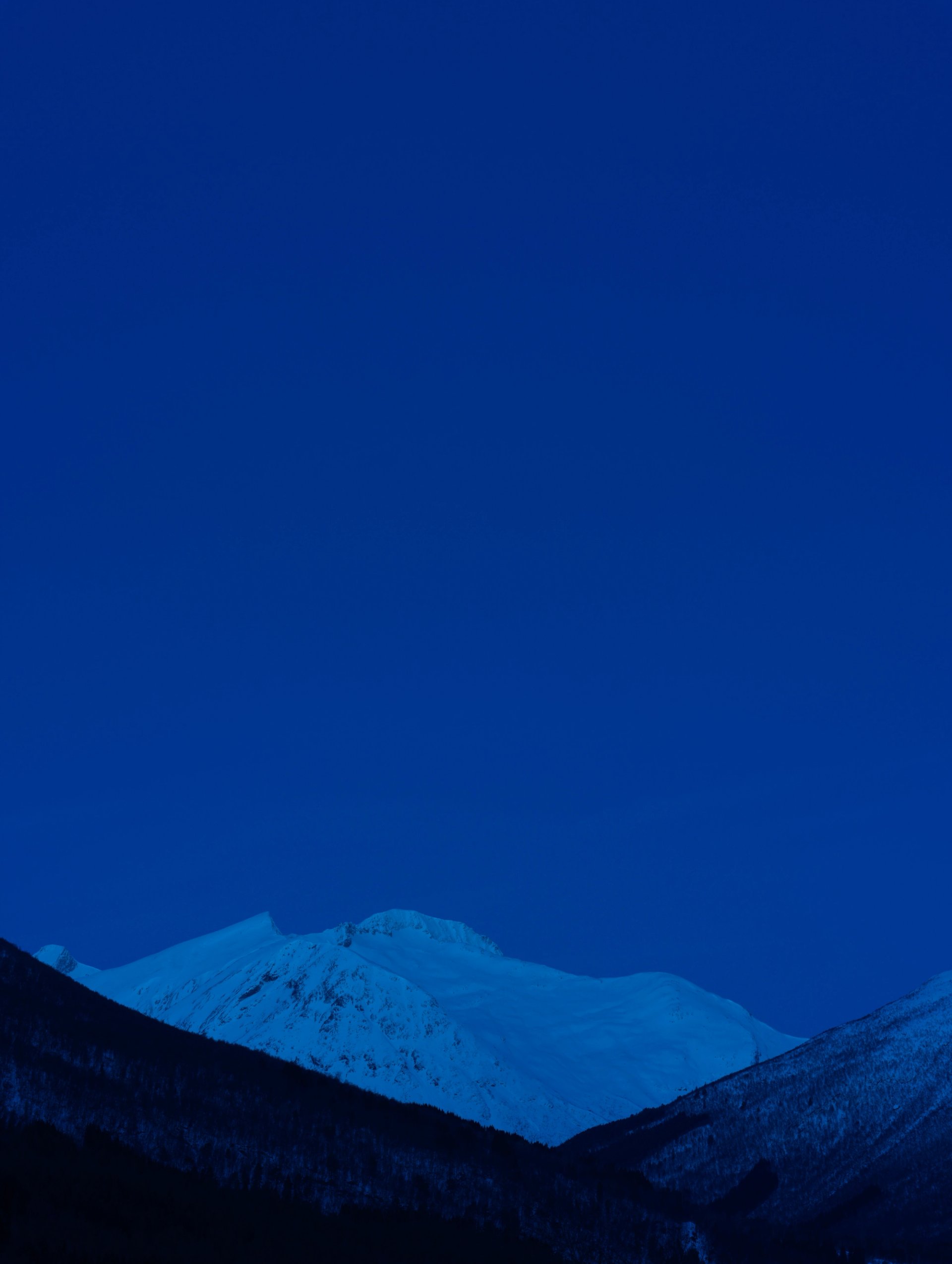
Catherine Opie’s Untitled #3 (Norway Mountain) (2024) © Catherine Opie. Courtesy Lehmann Maupin, New York, Seoul, and London
Opie paperwork her environment within the fullest sense: she depicts the individuals she loves, is aware of and meets; the areas they occupy; and the broader bodily and social setting round them. In the end, she hopes, by encountering her artwork, viewers will acquire a greater understanding of humanity in all its complexity.
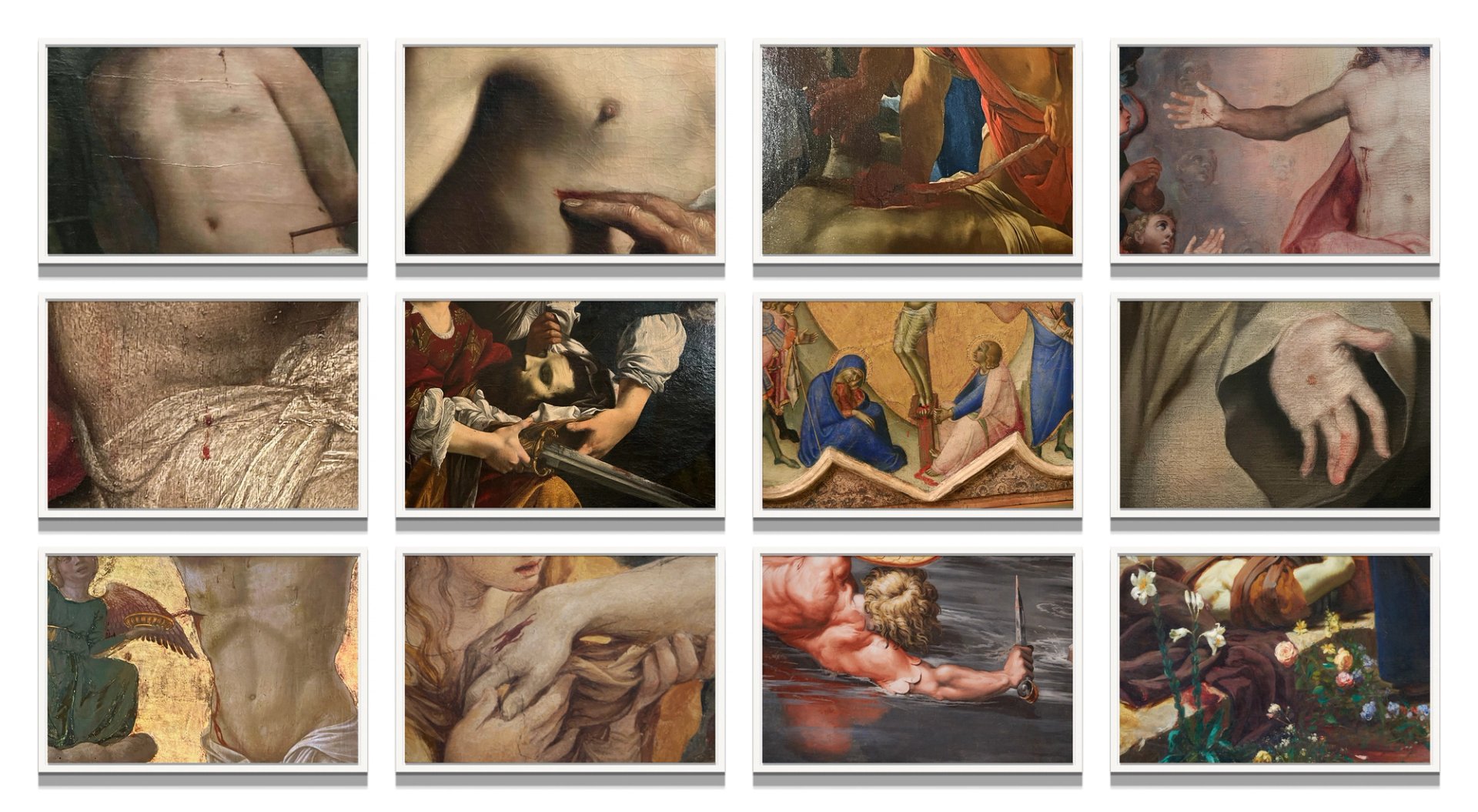
Catherine Opie’s Blood Grid #1 (2023) © Catherine Opie. Courtesy Lehmann Maupin, New York, Seoul, and London
Opie displays on her early discovery and need to make footage, aged 9, and the important thing figures that helped her select to grow to be an artist. She talks in regards to the kinship between poetry and artwork and the basic significance, no matter her topic, of human connection. She displays on artists as numerous as Holbein and Leonardo and Gerhard Richter and Lynette Yiadom-Boakye, on the affect of writers together with Joan Didion and Octavia Butler, and on her admiration for Chloe Zhao and Chris Marker. Plus, she provides insights into her life within the studio (and darkroom) and solutions our regular questions, together with the last word: what’s artwork for?
• Catherine Opie: To Be Seen, Nationwide Portrait Gallery, London, 5 March-31 Could 2026; Catherine Opie: The Pause that Desires Towards Erasure, The Fridericianum, Kassel, Germany, 19 July 2026.
This podcast is sponsored by Bloomberg Connects, the humanities and tradition platform. Bloomberg Connects gives entry to an enormous vary of worldwide cultural organisations by a single click on, with new guides being added commonly. They embrace a number of museums wherein Catherine Opie has had latest solo exhibitions, together with, within the US, Lacma and the Hammer Museum in Los Angeles, and the Wexner Middle for the Arts in Columbus, Ohio, and, within the UK, the Walker Artwork Gallery in Liverpool and the Nationwide Portrait Gallery in London, the venue for Catherine’s exhibition, To Be Seen, between March and Could, 2026. Discover Bloomberg Connects and you can see a characteristic on that present on the information when the exhibition opens. In the meantime, you can too uncover the Nationwide Portrait Gallery’s different exhibitions, together with Lucian Freud: Drawing into Portray, till 4 Could 2026. The audio information to the exhibition contains excerpts from a beforehand unreleased interview with Freud, together with contributions from his daughter Bella Freud, from his assistant within the studio and mannequin for a number of works, David Dawson, and from the curator of the exhibition, Sarah Howgate.

