Unleashing a 13-ft storm surge and winds of 185mph, Hurricane Melissa struck Jamaica on 28 October. It was the embodiment of an oxymoron, the title Melissa connoting a bland, vanilla or milquetoast disposition—not the logical title for a Class 5 superstorm.
For a drive subject carrying the quickest winds ever skilled in these components, Melissa moved on the tempo of a sleepy snail, progressing at 5mph at her quickest. She dithered and wavered, not seeming to know the place to strike the island of Jamaica first, main some to confer with her as “waltzing Melissa”. However when she lastly landed, making her leisurely however lethal method throughout the Western third of the island, Melissa laid waste to each precarious houses—at the very least 45 individuals died due to the storm—and a lot of the heritage buildings and museums in that a part of Jamaica.
Jamaica’s largest museums are within the capital metropolis of Kingston, 100 miles to the east of Melissa’s eye, so that they had been spared, struggling a little bit water harm at most. However locations like Accompong, dwelling to Jamaica’s fabled Maroon neighborhood, had been razed by the storm. The roof of the Accompong Maroons Museum and Neighborhood Centre, often called Kindah Tree, flew off together with the roofs of 80% of the settlement. Kindah Tree is a website related to the signing of the 1739 Maroon treaty with the British.
Small communities equivalent to Seaford City in Westmoreland, a hillside hamlet housing the descendants of Germans delivered to Jamaica as indentured labourers greater than a century in the past, haven’t any public buildings left standing. The German authorities was serving to erect a museum to doc the historical past of this distinctive group of Jamaicans and hopes that among the archives, at the very least, have survived.
The stays of Waterloo Home in Black River Picture: Irina Bruce
However locations like Accompong, Seaford City and Jamaica’s well-known Cockpit Nation live museums in themselves. Their inhabitants are beneficial natural archives of Indigenous information and methods of life, reflecting the bizarre historical past of those locations in the way in which they discuss, cook dinner, sing and dance. With so many of those individuals traumatised by Melissa’s hostile winds, the very tradition of the deepest, darkest, most treasured recesses of Jamaican life are threatened.
The Rastafari Indigenous Village, which payments itself as “a sanctuary of Afro-Indigenous knowledge, natural therapeutic, regenerative tradition and sacramental reverence”, has been decimated by Melissa and, like many different neighborhood initiatives, has launched a GoFundMe marketing campaign.
However Melissa additionally appears to have had a decolonial mission. Her rallying cry would possibly as properly have been “Colonial buildings should fall!”, as her winds effectively and brutally took down 200-year-old church buildings, historic houses and colonial buildings that had withstood nature’s hostile outbursts for greater than a century. Falmouth, recognized for its Georgian structure, has misplaced a number of of its signature buildings—their symmetry, proportion and classical 18th-century particulars violently dismantled or rearranged by the storm.
Black River is one other city that suffered the brunt of Melissa’s landfall and journey north. Seen on a map from 1685, the city was second solely to Kingston within the 18th and nineteenth centuries. It was reputed to have had electrical energy lengthy earlier than different locations within the Western Hemisphere however has been in whole darkness since Melissa handed by means of, with no estimate of when electrical energy would possibly return. Black River was one of many locations in Jamaica the place one might nonetheless discover lovely outdated colonial buildings painstakingly maintained by their homeowners or the federal government. Virtually none of them has been left standing.
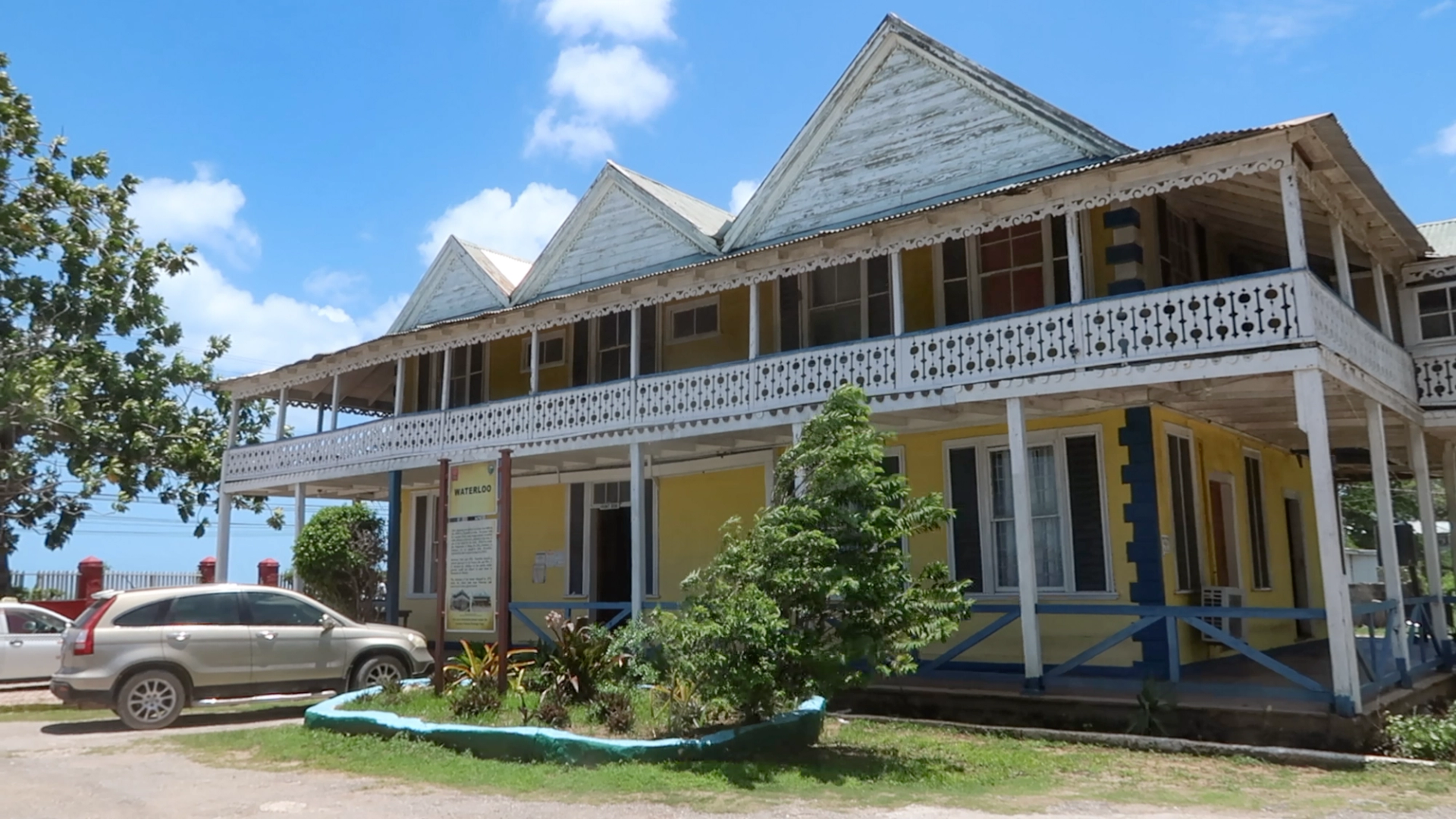
Waterloo Home earlier than the storm Picture: Irina Bruce
One of the crucial iconic buildings in Black River was Waterloo Home, a mansion in-built 1819 and named after the 1815 Battle of Waterloo, wherein Napoleon Bonaparte was defeated by the Duke of Wellington. Initially constructed by a department of the Shakespeare household, the home went by means of a number of homeowners earlier than it landed within the palms of John Leyden, a racehorse proprietor and logwood service provider from England. Waterloo Home was the primary personal residence in Jamaica provided with electrical energy. Transformed right into a visitor home in 1972, this landmark property now not exists due to Melissa.
Native historical past fanatics had been incensed when one other colonial constructing, a website that they had hoped to transform right into a museum, was first ravaged by the hurricane and, the next day, demolished by parish council bulldozers, making the potential for rebuilding or restoring it a distant dream.
However there may be some ambivalence concerning the lack of such heritage websites, with Rastafarian historians equivalent to Robin “Bongo Jerry” Small arguing that colonial heritage websites characterize the historical past and tradition of a minority inhabitants in Jamaica and are symbols of “extractive empire”. Small feels that the outpouring of grief at their loss is misplaced, a sentiment echoed by different Jamaicans.
Along with the seen, calculable harm wrought by Melissa’s fateful go to to Jamaica, practically $9bn and counting in accordance with the World Financial institution, the hurricane has uncovered deep underlying fissures and fractures. This isn’t stunning for a rustic with a historical past of colonialism and enslavement—human-made catastrophes from which its individuals have but to get better centuries later.
Annie Paul is a author and the editor of PREE, an internet journal centered on the Caribbean